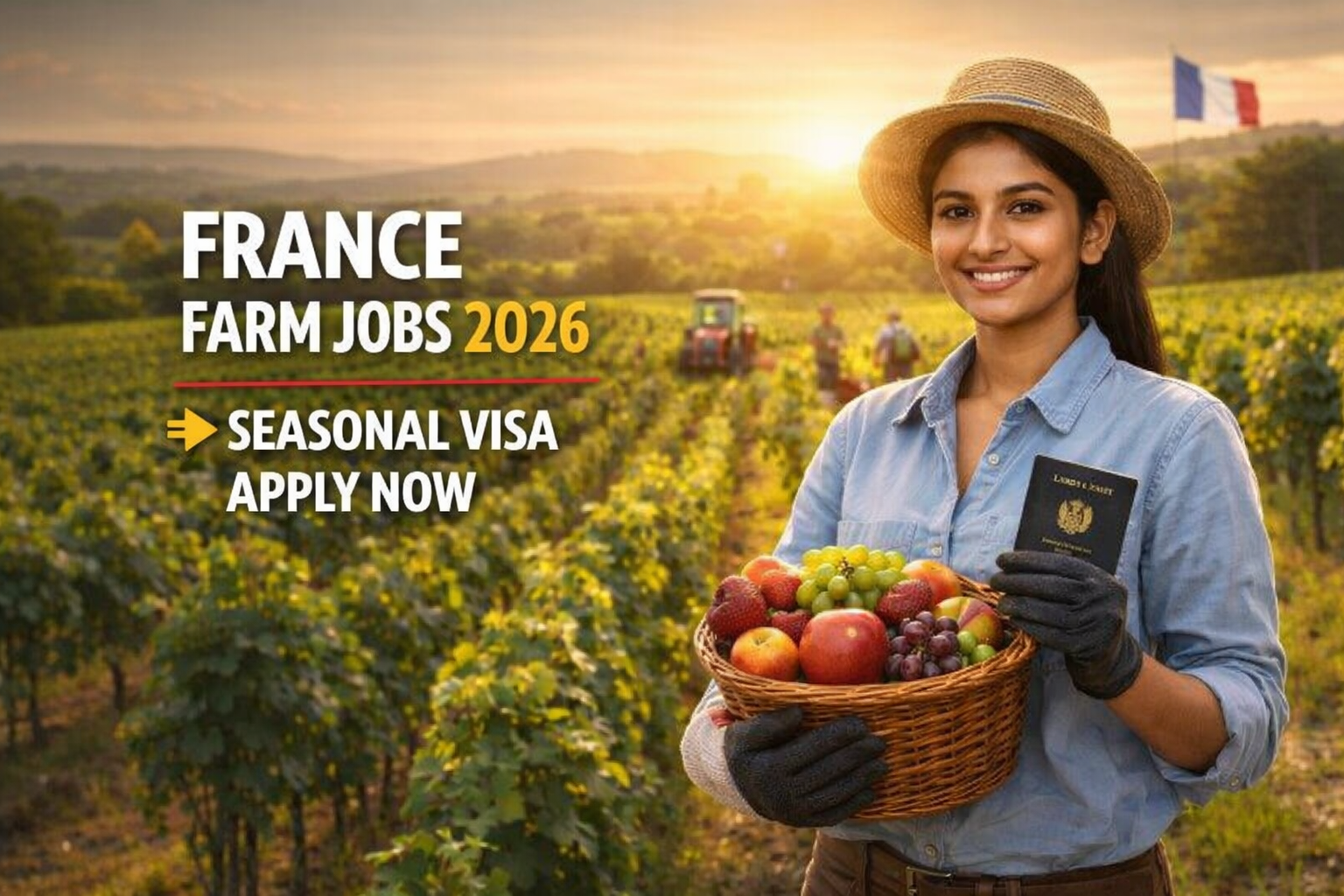
Farm Jobs in France 2026 – Seasonal Visa | Apply Online Easily
Each year, many people travel to France looking for temporary farm work, drawn by the wide range of openings across rural areas. Come 2026, demand on farms may climb higher – this because fewer locals are taking up these roles when crops must be gathered fast. Working outdoors in vineyards, orchards, or fields suits those without diplomas or years of training. Though physical, such positions open doors abroad for willing hands. Harvest times often bring a rush, making help from outside essential.
Working on farms across France usually means gathering fruits, collecting vegetables, tending vines, handling milk production, or managing plants inside glass-covered spaces. Openings like these tend to welcome people from outside the country – those arriving from parts of Asia or Africa might find such roles especially useful when aiming to secure legal employment status within Europe.
Types of Farm Jobs in France
Farm hands across French fields split their duties based on crop needs and weather turns. Most tasks pop up when planting or harvest rolls around, demanding stamina more than diplomas.
Fruit Picking Jobs
Picking fruit tops the list when it comes to farm work in France. As harvest time arrives, farms bring on people to collect apples, grapes, strawberries, cherries, among others. In places such as Bordeaux and Burgundy, vineyards often employ those from other countries.
Farm Work Growing Vegetables
Farmhands dig rows, tend crops, then gather ripe produce like tomatoes or potatoes under open sky. Carrots peek from soil after weeks of care, alongside crisp heads of lettuce growing close to ground. Structures made of glass host plants too, shielding them through rough weather while keeping routines steady. Workers often prefer these covered spaces since rain or heat outside matters less once doors shut behind.
Vineyard Jobs
Vineyards across France pull in plenty of workers each year, thanks to a steady need for hands during harvest. Grapes must be picked by people, then sorted and packed – tasks that rarely slow down when the season hits full swing. Most roles last only weeks, yet pay well if you’re willing to work long days under the sun. Busy months mean more hours, plus extra income for those who show up ready.
Dairy Farm Jobs
Not every day brings fresh faces to dairy work, yet hands are always needed for morning milk runs, tossing feed at dawn, or checking tractors before sunset. Longer stays often come with these tasks, unlike short harvest stints that fade by autumn.
Greenhouse Jobs
Inside greenhouses, farming happens in spaces built to stay steady through seasons. Watering crops shows up every day, just like checking how things grow. Packing what comes out takes time, often right after harvest. These jobs link closely, each depending on the one before.
A few of these positions ask for specific skills, yet many welcome newcomers without any track record. That could be a fit.
Salary and Benefits in 2026
Farm hands across France typically earn wages set by the country’s base pay standard, called SMIC. Come 2026, hourly rates may land between €11 and €13, though exact figures shift with location and who’s doing the hiring.
Fresh cash each month might land around €1,500 up to €2,200 when extra shifts come into play. When crops are ready, those hired by the season tend to log heavy days, pushing what they earn higher.
Additional Benefits:
- Free or low-cost accommodation
- Transportation support
- Overtime bonuses
- Legal work contract
Farm work pulls in overseas laborers aiming to stash cash during their time in Europe.
France Seasonal Work Visa 2026
Starting fresh, foreigners aiming to take on temporary jobs in France need a special permit just for that. Usually, this paperwork clears you to live and earn there – most times no longer than half a year. It only fits roles tied to specific times of the year. Stay beyond that stretch? Not allowed unless new terms say otherwise.
Key Requirements:
- Valid passport
- A position provided by an employer based in France
- Work contract approved by authorities
- Proof of accommodation
- Basic financial support
Most times, it’s the company that backs your visa application – giving you a better shot at getting it approved.
Eligibility Criteria
To get a farming job in France, you need to satisfy some essential conditions
Eighteen years old is the youngest allowed. That number marks the starting line:
- Physically fit for manual work
- Speaks English well. French helps, though it is not required
- No criminal record
- Willingness to work flexible hours
Farm work before? That could help. Still, newcomers are welcome too.
How to Apply for Farm Jobs in France (Step-by-Step)
Getting a farm job in France requires a proper strategy. Random applications usually don’t work, so you must follow a structured approach.
Step 1: Search for Verified Jobs
Use trusted job platforms like:
- Pôle Emploi (France official job portal)
- Indeed France
- Seasonal job websites
Step 2: Prepare Your CV
Your CV should be simple, clear, and focused on physical work skills. Highlight:
- Any farming or labor experience
- Physical fitness
- Availability
Step 3: Apply Online
Submit applications directly through job portals or company websites. Apply to multiple jobs to increase your chances.
Step 4: Get Job Offer
If selected, the employer will send you a contract.
Step 5: Apply for Visa
Use the job contract to apply for a seasonal work visa at the French embassy.
Step 6: Travel to France
After visa approval, you can travel and start working legally.
Common mistakes to avoid
Many applicants fail due to simple mistakes:
- Applying without a proper CV
- Using fake job offers
- Ignoring visa requirements
- Applying too late
- Not following up
Mistakes left behind often open doors you didn’t expect. Your chances get better when poor choices fall away.
Why Farm Work Is Needed in France
Farm jobs in France are tough, so few locals want them. Because of that, openings pop up for people from other countries.
In 2026, demand is expected to increase due to:
- Aging workforce
- Increased food production
- Export demand
- Seasonal labor shortages
Getting in through this route is simpler than most options available.
Where People Stay and How They Live
- Living on site often comes with the job when picking crops across French countryside farms. Workers arriving from abroad find this setup eases the stress of landing in a new place alone. Most housing options near fields stay open without charge, sometimes asking just a small weekly fee. Savings pile up fast when rent isn’t draining cash each month.
- Living setups change from one farm to another. Where you sleep might mean sharing space with several others, or maybe getting a room that’s mostly your own. Each place tends to have essentials – like a bed, cooking area, toilet, and every now and then a way to get online. When work happens out in vineyards or far-off spots, lodging often sits just minutes away from fields. Being near cuts down how long it takes to reach shifts – and what it costs to get there.
- Far from the rush of cities, rural France offers quiet days. Still, those who move there might find evenings long without much to do. Fewer people around means fewer chances to meet friends. Entertainment is harder to come by compared to urban spots. Some adjust easily. Others feel isolated after sunset.
Working Conditions and Hours
- Farm labor takes strength, so knowing what a day feels like matters when considering the job. Standing much of the time, moving bulky loads, facing sun or rain – these shape most roles out there.
- Most weeks clock in at roughly 35 to 40 hours, though busy harvest times can stretch shifts longer. When extra time gets added on, it often comes with higher pay – this lifts total income a bit.
- Early hours often begin a worker’s day, particularly when summer sun climbs high. Picking fruit might come first, followed by sorting what was gathered. Boxes get filled after that, one by one without rush. Watering plants shows up on most lists, sometimes more than once. Operating machinery appears too, depending on the field’s needs.
- France treats workplace safety with care. Employers must supply essential gear like gloves or protective clothes. Following rules helps workers stay safe. Injury risks drop when procedures are respected.
- Besides being hard on the body, some people feel it’s worth doing just for the steady money, quiet surroundings, while also getting a chance to live somewhere new across Europe.
Required Documents for Application
A full collection of paperwork is needed when seeking farm work in France plus aiming for a seasonal visa. Leave something out, your request might get slowed down or refused outright. Paperwork gaps cause problems more often than expected.
Essential Documents:
- Valid passport (minimum 6 months validity)
- Updated CV (focused on labor work)
- Job offer letter from employer
- Signed work contract
- Passport-size photographs
- Proof of accommodation
- Police clearance certificate
A single mistake might cause delays when applying for a visa. Making sure every document looks right matters just as much as what’s written inside.
FAQs
-
Can I apply for farm jobs in France without experience?
Farm hands aren’t hard to find in France – many roles welcome those who’ve never worked a field before. Newcomers often land short-term gigs without any background in agriculture.
-
What is the salary for farm workers in France?
Farm workers usually earn between €1,500 to €2,200 per month, depending on hours and overtime.
-
How can I apply for a France seasonal work visa?
You need a job offer from a French employer, then apply for a seasonal work visa through the embassy.
Final Thoughts
Not everyone knows it, yet working on farms in France by 2026 could open doors into Europe without complicated steps. Though some roles ask little experience, they still pay fairly well – making them fit for those starting out. Because visas may be sponsored, newcomers aren’t left guessing how to get there. While farming isn’t always easy, the chance to settle somewhere new keeps drawing interest.
Starting off right means nailing your approach first. A solid resume helps open doors afterward. Applying with care makes the difference in the end